
Persistence of Vision: The Illusion of Motion in Animation
Whenever you look at a cartoon or animation film, your eyes see motionless pictures that seem to be moving, which occurs due to a phenomenon known as persistence of vision. It is here that your eyes and your brain combine to intermingle pictures of rapid fluxion into even motion. Therefore, understanding persistence of vision helps explain the magic behind every moving image on screen.
To that extent, this article explains how persistence of vision works and why it creates the illusion of motion. Moreover, learn how animators use this principle to bring characters, objects, and stories to life.
Part 1. What is Persistence of Vision?
Persistence of vision is the ability of your eyes and brain to preserve an image temporarily, even when it is not there anymore. When a series of still pictures appears in quick succession, your mind will be a combination of the images in motion. That is why cartoons, movies, and animations seem to move even though they consist of individual pictures.
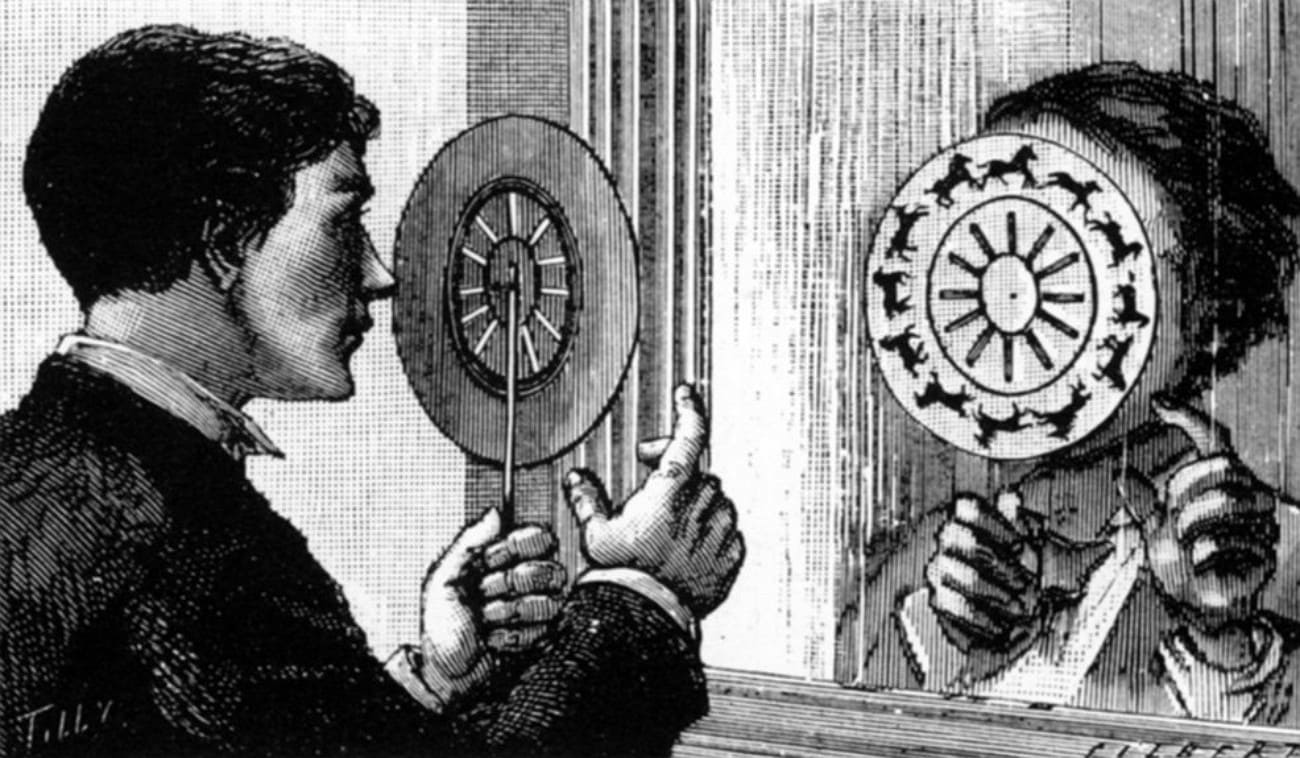
While knowing what persistence of vision is, know that this principle forms the foundation of all visual media that shows motion. By showing images in rapid sequence, artists and filmmakers create the illusion that characters and objects move naturally. Without persistence of vision, animation and film would look like a series of still photos.
Part 2. How Does Persistence of Vision Work?
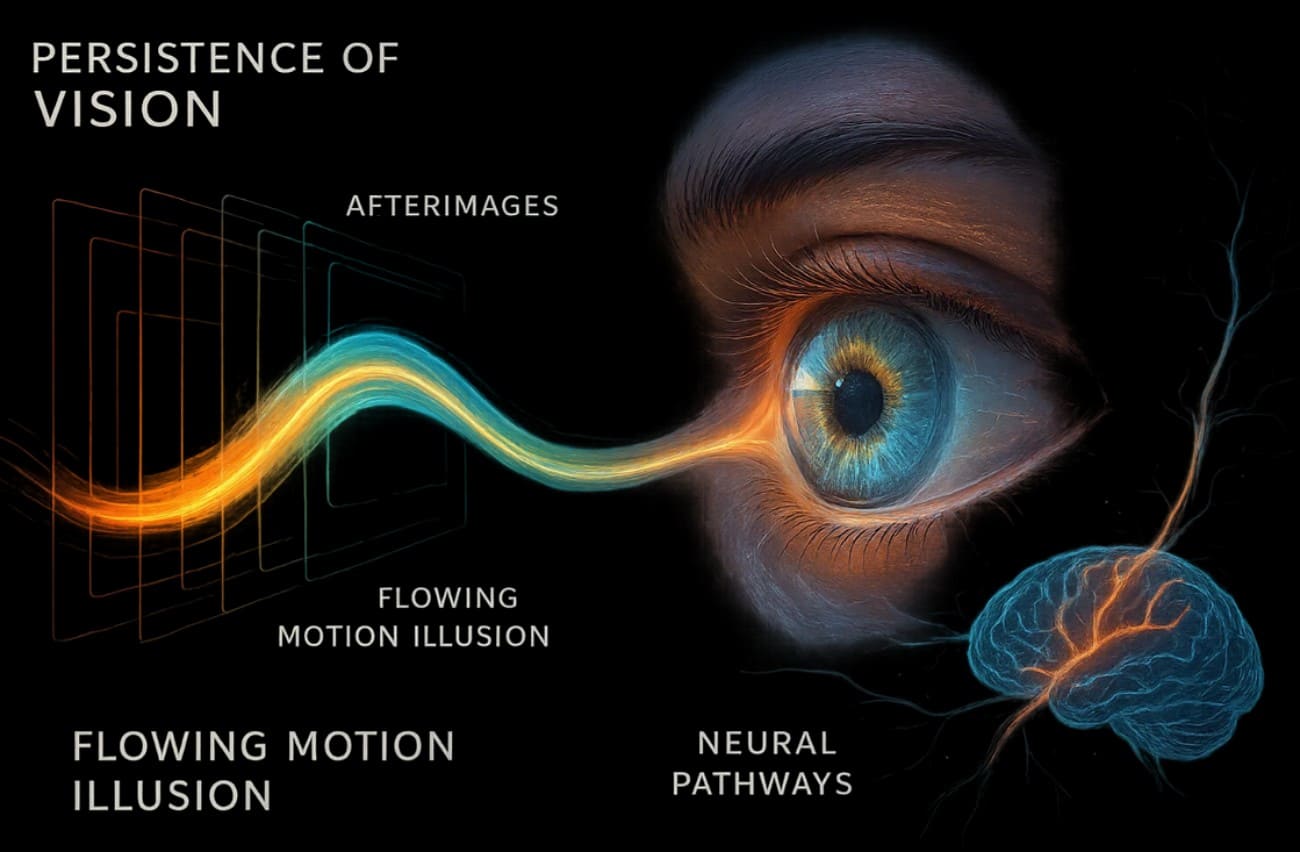
Persistence of vision works because the eyes and brain do not respond and reset instantly when light enters or leaves the eyes. A light image stays for a brief moment in the eye and the early visual pathways. So, as you know, the persistence of vision definition, review its working in detail, if a quick review is not enough for you:
Step 1: Image Hits the Retina
The light of the objects passes through the eye and focuses on the retina of the eye. This light is then converted into an electrical signal, which is then transmitted to the brain through rods and cones. It is not an immediate response because this process consumes a minute fraction of time.
Step 2: Afterimage and Neural Lag
After the light source changes or disappears, photoreceptors and neurons do not switch off immediately. A faint copy of the previous image, called an afterimage, stays briefly in the visual system.
Step 3: Overlap Between Successive Images
When a new image is introduced before the previous image has decayed, the two images overlap. Then, this stream is partially integrated by the brain, which thinks of continuous movement. At normal frame rates, separate stills appear as smooth motion due to neural motion perception.
>> Related: Learn Follow Through and Overlapping Action in Animation
Step 4: Illusion of Continuous Motion
To further explain the persistence of vision working in animation or film, this helps create movement. Each frame stays in sensory memory briefly, so at 24 frames per second or more, the brain sees objects moving along paths without gaps.
Everyday Examples
Persistence of vision explains light trails from sparklers, glow sticks, or spinning color disks. The lingering images in the retina merge, creating smooth motion or blended colors.
Part 3. Difference Between Persistence of Vision and Persistence of Motion
To better understand animation, it is essential to know the difference between vision persistence and persistence of motion. For that, this section compares both the concepts and highlights how each affects the perception of movement in animation:
|
Metric |
Persistence of Vision |
Persistence of Motion |
|
Type |
Optical illusion: the eye/brain briefly retains an image after it disappears. |
Perceptual outcome where rapid discrete frames are interpreted as smooth movement. |
|
What It Explains |
Why does a single image seem to “linger” for a short time on the retina? |
Why does a rapid sequence of still images look like smooth movement (e.g., film, animation)? |
|
Time Scale |
A fraction of a second after an image is removed from view. |
Rapid sequential frames (for example, 24 fps) are fused into perceived movement. |
|
Role In Animation/Film |
Provides a brief afterimage that helps connect one frame to the next. |
Describes the illusion of motion itself that audiences see on screen. |
|
Related Phenomena/Notes |
Linked to retinal afterimages and iconic memory; often cited in basic animation theory. |
Often discussed with the phi phenomenon and other motion-perception effects in vision science. |
|
Typical Example |
Afterimage when looking away from a bright object. |
Cartoons and films look like continuous action |
Part 4. Why Persistence of Vision Matters in Animation and Film?
Persistence of vision in film and animation holds the key to creating smooth, continuous motion that feels real to viewers. So, to further know why and how this illusion is necessary, review the listed points in detail:
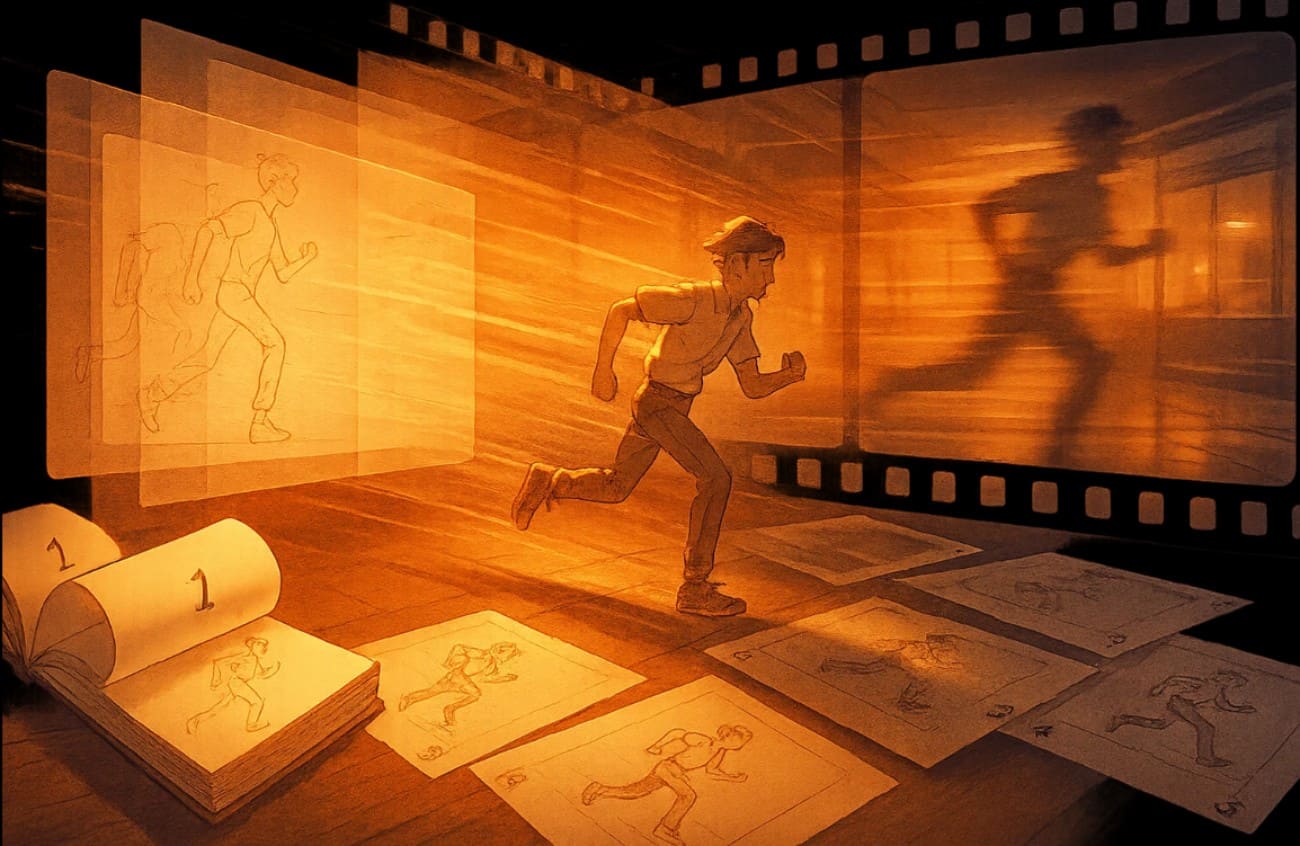
1. Create the Illusion of Motion: Persistence of vision enables an order of still images to be seen as flowing motion. Therefore, this deception renders animation, flipbooks, and videos to look like living things rather than a collection of distinct images.
2. Enable Smooth, Comfortable Viewing: Each image stays briefly in the eye and brain, so viewers do not notice harsh jumps. Thus, motion in films and cartoons feels natural, soft, and easy to watch.
3. Set Practical Frame-Rate Standards: Due to persistence of vision, cinema uses 24 frames per second, and animation often follows similar rates. This speed lets the brain see fluid motion while keeping production manageable.
4. Let Animators Use Fewer Drawings: The brain fills small gaps so that artists can repeat or hold frames. For example, animating on 2s (12 drawings per second) at 24 fps still looks smooth, reducing effort without losing motion quality.
5. Support Creative Timing and Effects: Persistence of vision enables filmmakers to make cuts, fades, motion blur, as well as quick changes, without confusing the audience. The ancient toys, such as the zoetrope, and present-day film effects are based on this principle to ensure that motion is evident and involved.
>> Related: What is Stop Motion Animation? Understanding The History and Evolution
Part 5. Examples of Persistence of Vision
Persistence of vision examples will help you see how still images or lights appear as smooth motion. Therefore, adhere to the 5 given ones to understand how this illusion works in real life:
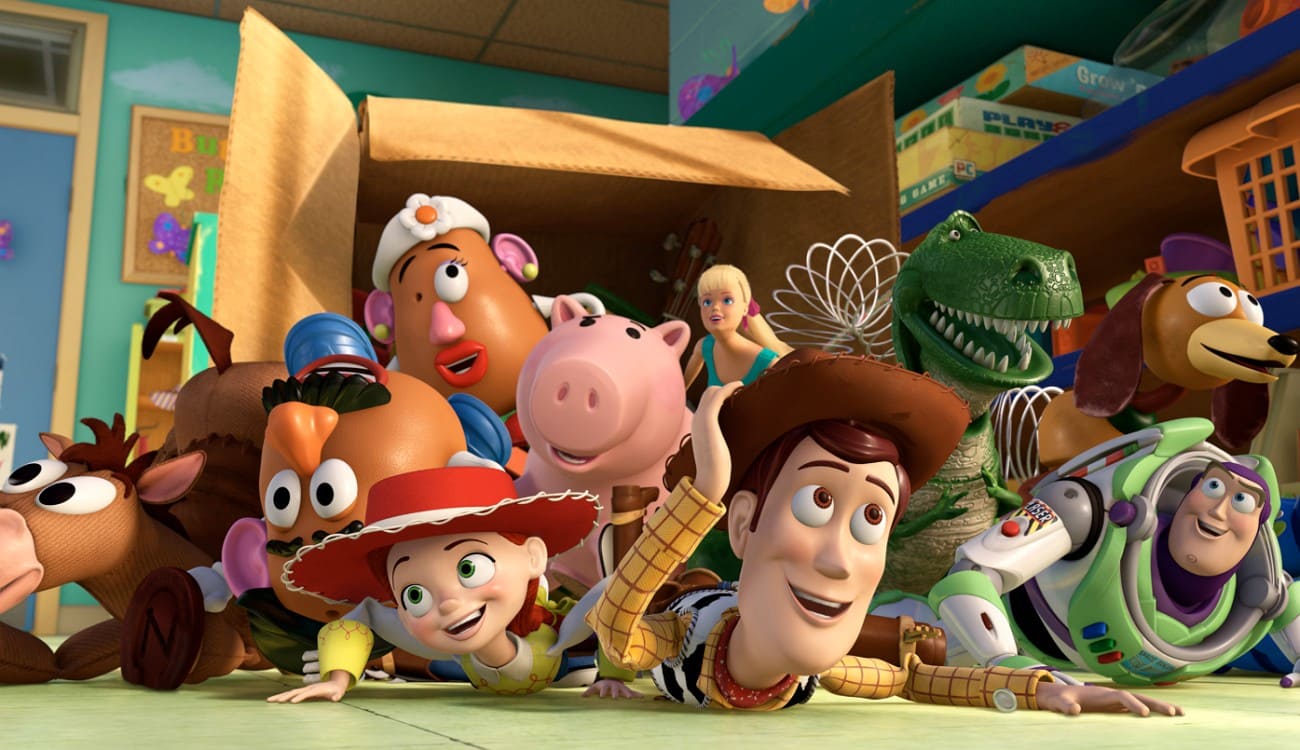
1. Animated Movies
Animated films such as Toy Story, Frozen, or The Lion King utilize frames that are displayed at a very high rate. Every image is a frozen snapshot, though your eyes linger briefly on every image. It gives the impression of smooth movement of the characters, as the audience believes the action is taking place in real life.
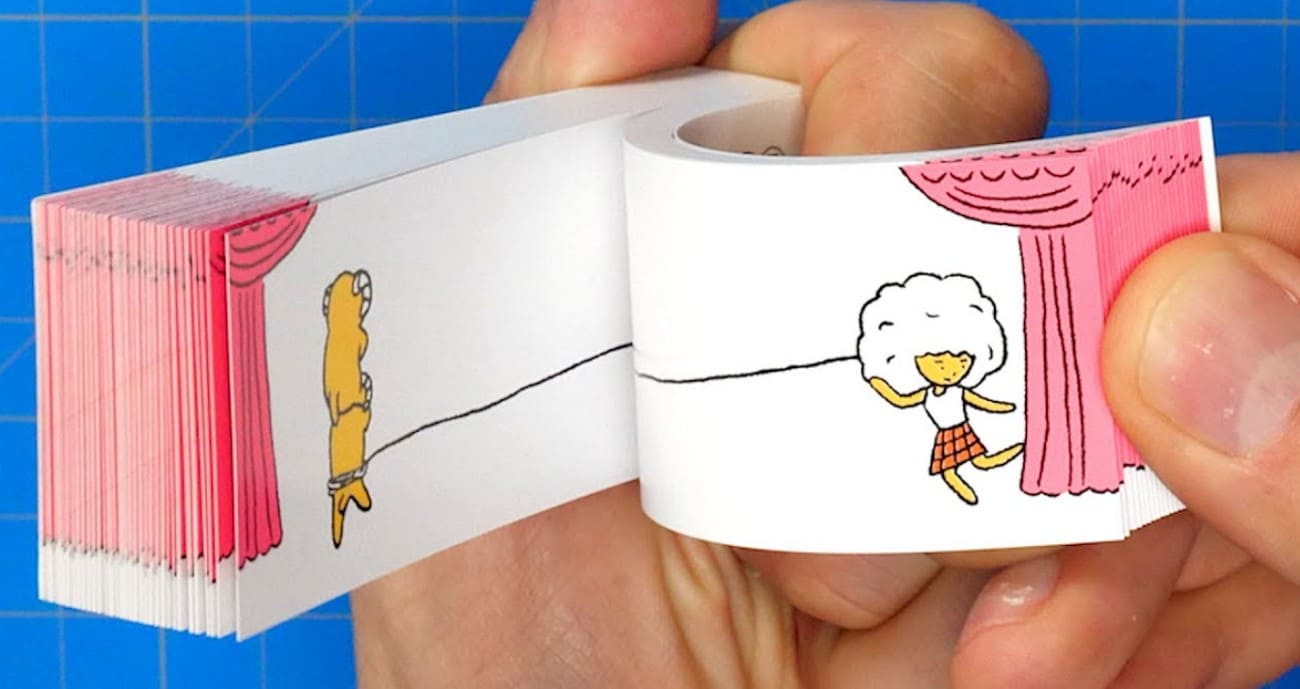
2. Flipbooks
A flipbook is a tiny book that has a bunch of images, but each picture is a bit different than the previous one. When you turn the pages fast, the images combine in your gaze, and the illustrations seem to be in motion. So, it forms a basic kind of animation that displays persistence of vision in effect.
3. LED Poi or Glow Sticks
When someone swings LED poi, glow sticks, or sparklers in the dark, your eyes see continuous light trails. Each position of the light lingers briefly on the retina, and your brain merges the positions into smooth paths, making the movement appear fluid.

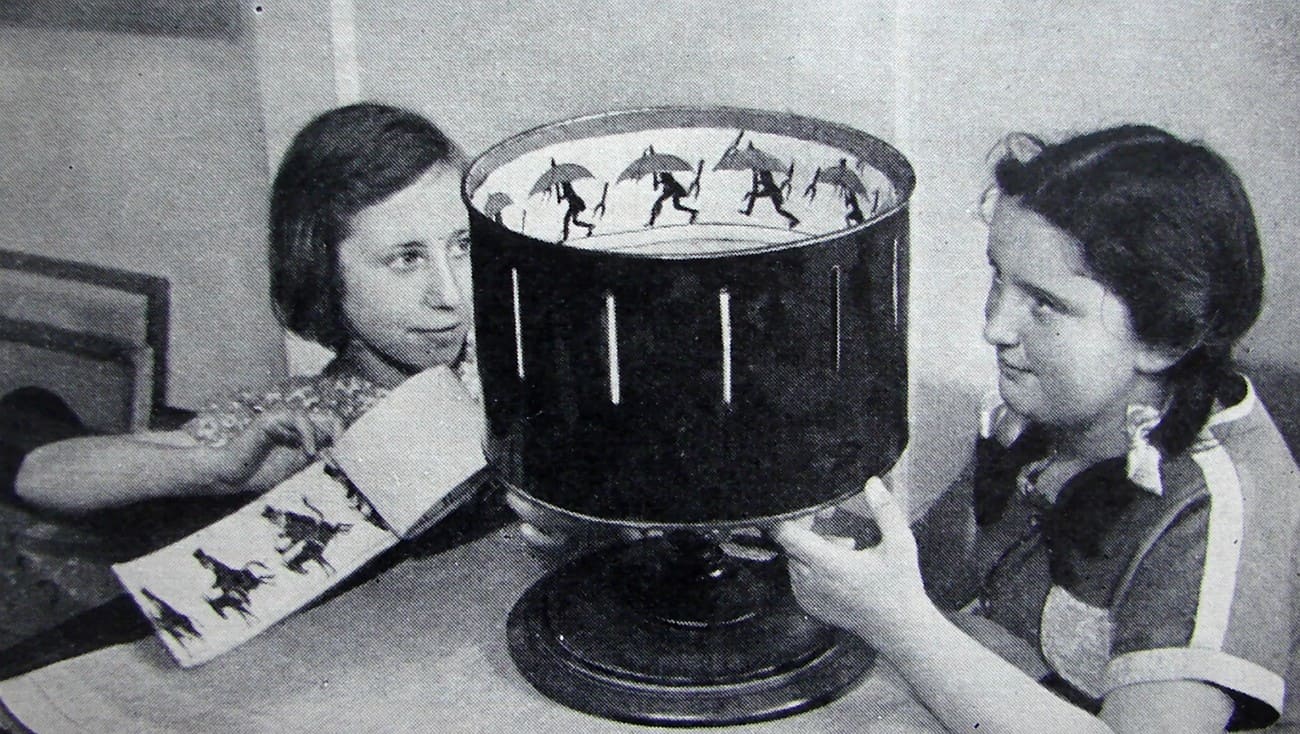
4. Zoetrope and Optical Toys
A zoetrope is a rotating cylinder filled with pictures, and when you peep through the small holes during its rotation, the photos appear to move. This effect was used in early toys such as thaumatropes and phenakistoscopes, which showed static images that, when viewed in rapid succession, produced an animated motion effect.
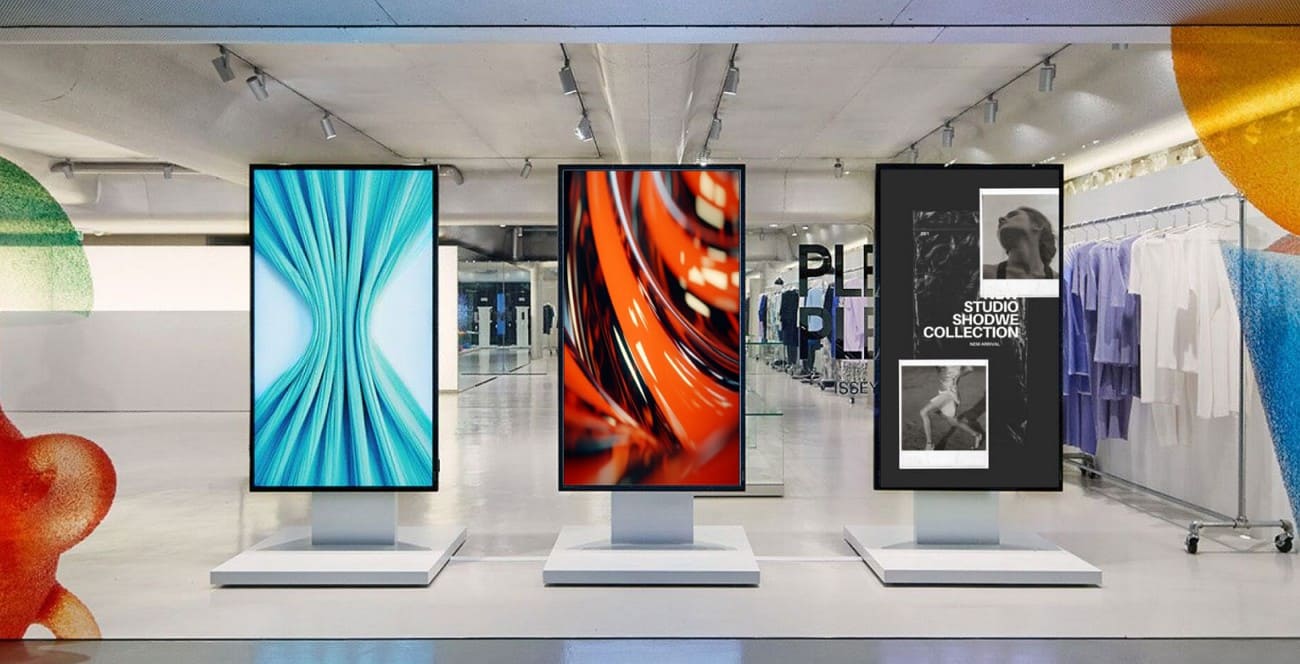
5. Television and Digital Screens
Computer monitors and television displays numerous frames every second, usually 24 or more. The images are stored in your mind temporarily as a result of every frame, and the movement is seamless. This is why live-action films and cartoons on screens look continuous rather than a series of still pictures.
Part 6. FAQs about Persistence of Vision
1. What is an example of persistence of vision in real life?
The light trail from a sparkler or a glow stick appears continuously to human eyes. Moreover, flipping a small flipbook quickly creates smooth motion from separate static images seen in sequence.
2. Is the persistence of vision 1/16 second?
The human eye retains an image for a fraction of a second, not exactly one-sixteenth. Persistence time varies between people and light conditions, usually between 1/25 and 1/15 seconds approximately.
Conclusion
To wrap up, persistence of vision shows how the human eye merges still images into smooth motion. Thus, this guide has explained how this principle serves as the foundation for all animation and film. From flipbooks to digital screens, persistence of vision powers storytelling across media.
If you plan to turn your ideas about persistence of vision into full animation projects, a cloud rendering service like Fox RenderFarm can help you handle the final rendering. The professional render farm speeds up heavy processing so you can focus more on refining motion and timing.