Complete Guide to Silhouette Animation: Definition, History, & Uses
 Ryan Thompson
Step into a world where stories appear through shapes and shadows. Silhouette animation uses simple outlines to show characters and scenes, with emotion and motion without color or detail. From old shadow puppets to modern digital methods, this art form blends simplicity and creativity to tell strong stories.
Silhouette animation definition, history, workflow, and uses help artists and filmmakers explore new ways of visual storytelling. So, to have a better understanding, review this guide to know what a silhouette is and how it brings imagination to life in various fields.
Part 1. What Is Silhouette Animation?
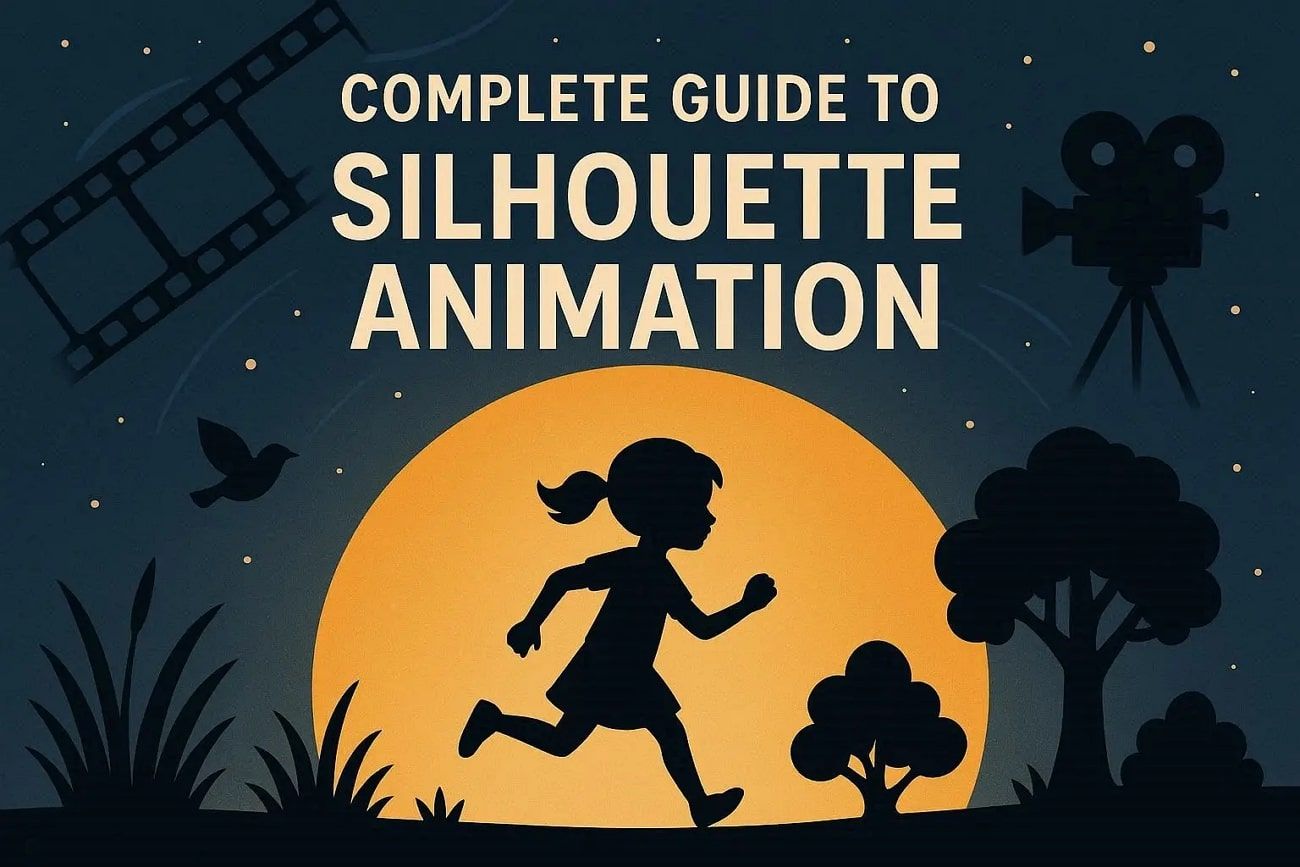
Silhouette animation is an animation technique where characters appear as solid dark shapes against a contrasting background, relying on outline and motion rather than detail.
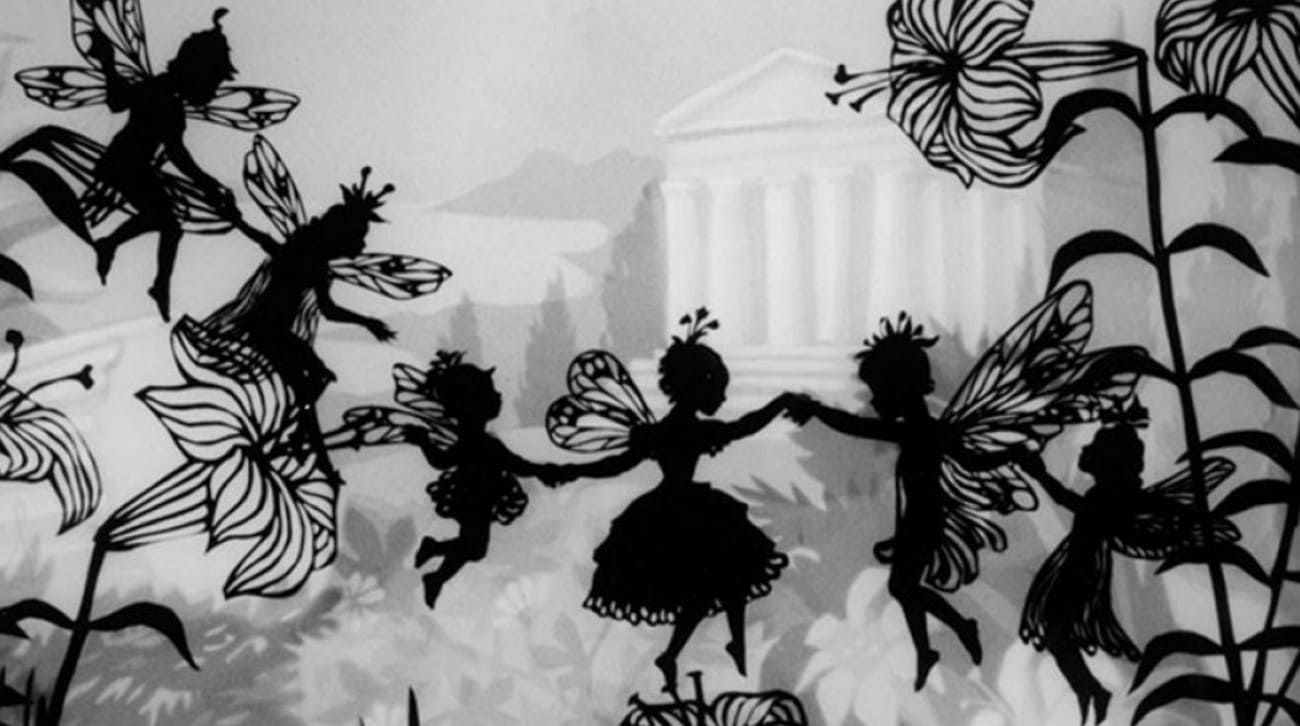
Silhouette animation is one of the oldest forms of animation, and German filmmaker Lotte Reiniger pioneered it. Her 1926 film, The Adventures of Prince Achmed, is the oldest surviving full-length animated movie and helped shape the future of animated films.
Key Features
- High Contrast: Silhouette animation uses dark characters against a bright background. This strong contrast makes shapes stand out clearly, like shadow puppets.
- Focus on Negative Space: The story comes from the outline and the space around characters. Facial features and details are not shown; therefore, shapes convey the story.
- Dynamic Posing: In silhouette animated content, animators employ exaggerated, explicit poses to make actions easier to understand. Arms or legs must stay separate from the body to remain readable and visible.
- Emphasis on Motion: The audience notices smooth and fluid movement rather than textures or colors. Additionally, character posture and gesture convey emotions and actions in every scene.
- Minimalistic World-Building: Backgrounds are simple or layered with shades to create depth and perspective. This keeps the focus on dark characters while giving the environment a sense of space.
Part 2. History and Evolution of Silhouette Animation
Silhouette animation is a style where characters and objects are shown only in black shapes against a light background. It originates in shadow puppetry, which dates back thousands of years in cultures such as China, Indonesia, and Turkey. These traditional puppets told stories through shadows cast on a screen and served as the foundation for silhouette animation.
Early European Influence
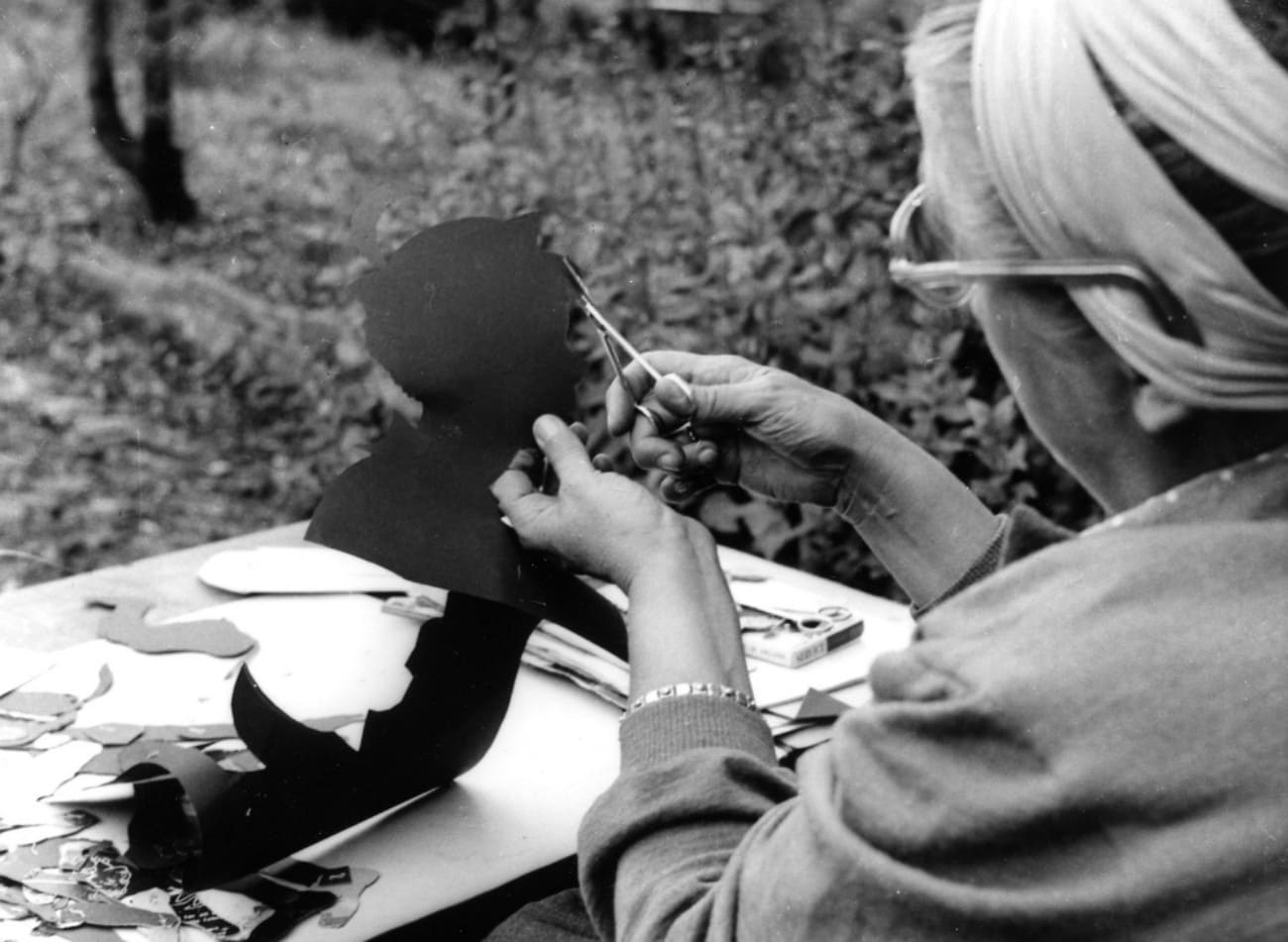
The art of cut paper silhouettes became popular in Europe in the 18th century. Artists cut profiles of people from black paper to create simple and elegant shapes. This visual style later inspired early animators to use moving silhouettes to tell stories in silhouette film.
Pioneers in Animation
Lotte Reiniger, a German filmmaker, is the pioneer of silhouette animation. In 1926, she made The Adventures of Prince Achmed, one of the first full-length animated films. She used detailed cut-out figures on bright backgrounds and moved each character carefully frame by frame.
20th Century Developments
During the 1930s to 1950s, silhouette animation stayed a niche style, used mostly for art films and experimental shorts. Animators used shadow-like storytelling and combined silhouettes with bright backgrounds or light effects. Its simple style lets creators focus on shape, gesture, and composition rather than detailed textures.
Modern Usage
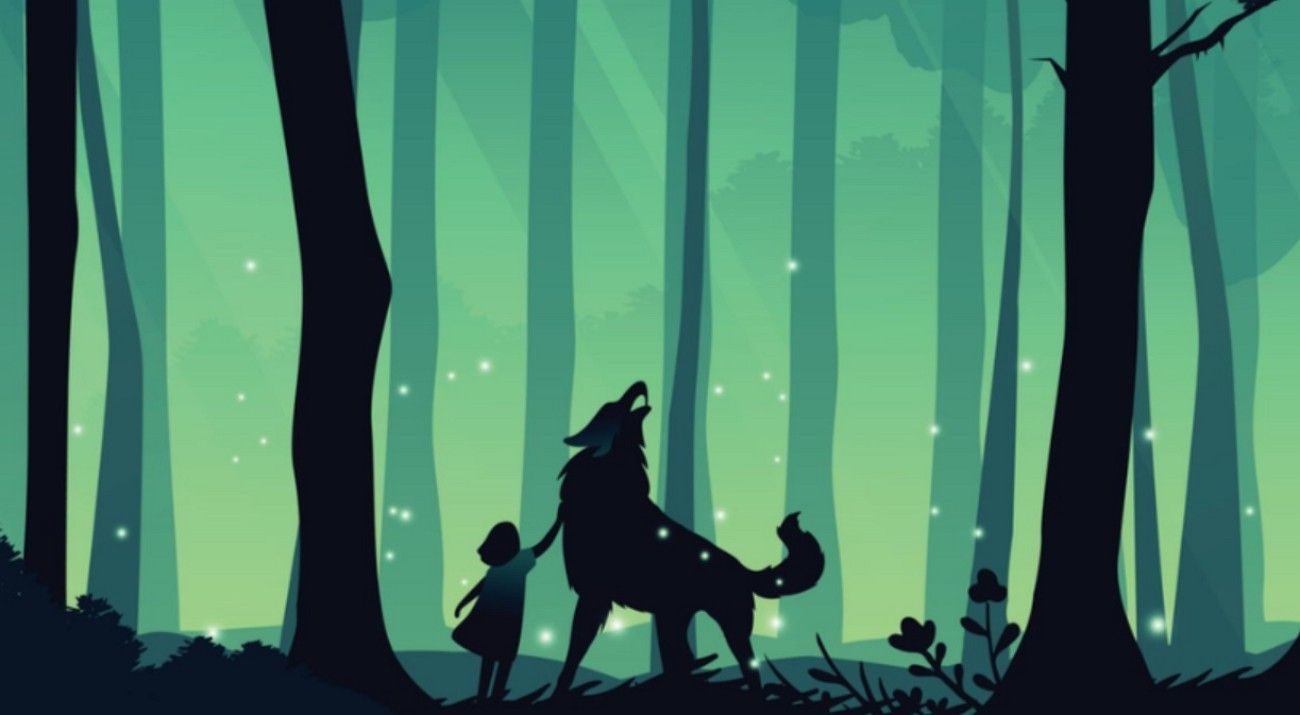
Today, silhouette animation appears in music videos, commercials, and educational content because of its strong visual appeal. Digital tools enable artists to use cut-out or vector-based silhouettes to create dynamic scenes. This style often combines with motion graphics and minimalism, and keeps the focus on the story and character movement rather than realistic details.
Part 3. How Silhouette Animation Works Step-by-Step
Silhouette animation works by creating black shapes of characters and objects, which are moved frame by frame against a light or colored background. The audience sees only the outline of the shapes, not internal details, which emphasizes movement, gesture, and story.
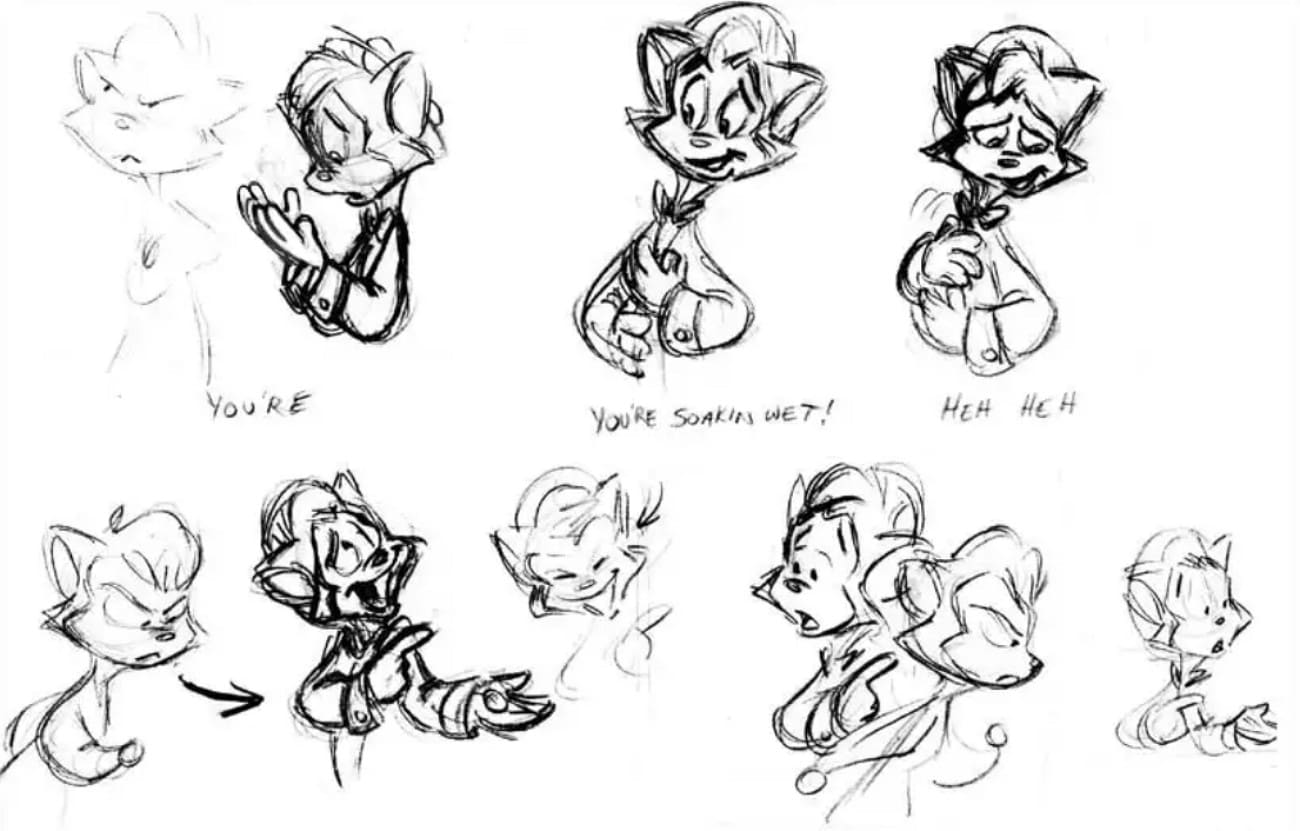
The Silhouette Rule: As there are no internal details like eyes or mouth lines, the puppet’s profile must be apparent. Every emotion is conveyed through the bend of the back or the tilt of the head.
Materials and Tools
- Cut Out Figures: Made from black cardstock or cardboard, paper, or thin opaque materials.
- Background: Usually, a light or colored surface that contrasts with the dark shapes.
- Camera or Lightbox: To capture the movements frame by frame.
- Pins, Joints, or Rods: For movable parts of characters, like arms or legs.
The Animation Process (Stop-Motion)
First, position the silhouette figure in the starting pose, then take a photo to capture the first frame. Move the figure slightly by adjusting arms, legs, or body for the next pose. Take another picture to capture the next frame, and repeat these steps. When the frames play in order rapidly, the figure appears to move smoothly and naturally.
>> Related: What is Stop Motion Animation?
Light and Shadow Control
Light from behind or below shines on the figures evenly so that the shadows or silhouettes appear clearly against the background. The strong contrast directs the viewer’s attention to the movement and narrative rather than to textures.
The Digital Workflow (Modern Implementation)
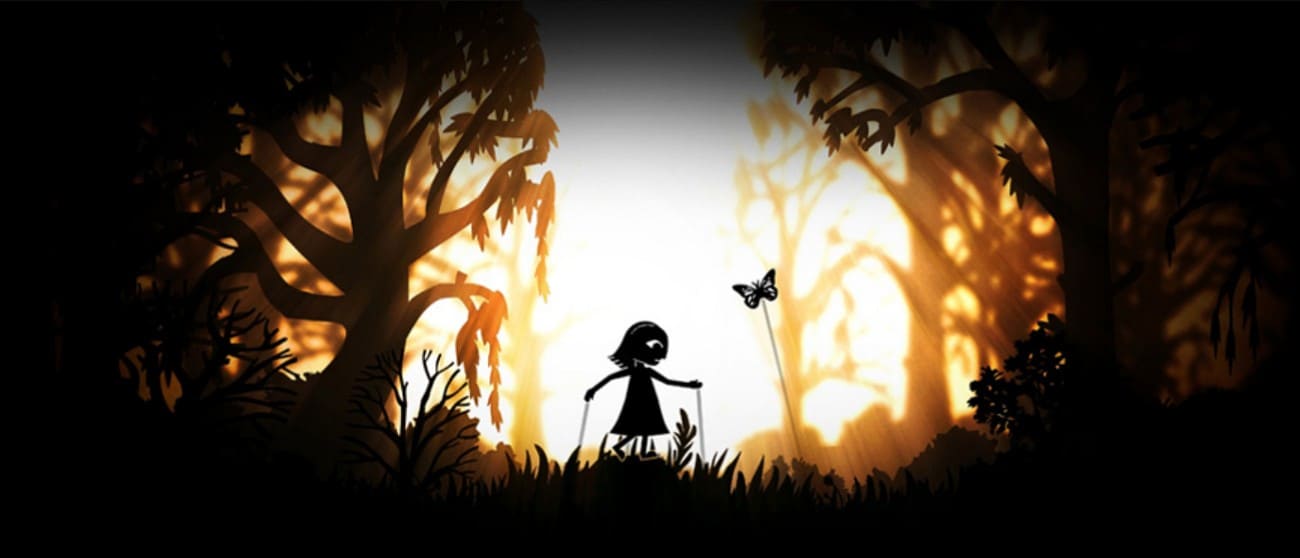
Digital software lets vector silhouettes move like cut-out figures. Animators can change layers, colors, and effects while keeping the traditional silhouette style. This method reduces manual work and allows the creation of more complex scenes.
|
Component |
Traditional Method |
Digital Method |
|
Puppet |
Hand-cut cardstock/cardboard |
Vector shapes or PNG masks |
|
Joints |
Wire/Thread hinges |
Digital “Rigging” with bones/points |
|
Light |
Physical bulbs under glass |
“Alpha Mattes” or “Luma Keys” |
|
Depth |
Stacked glass plates |
3D layers with “Z-depth” values |
Part 4. Silhouette Animation Workflow and Production Process
Silhouette animation works by moving solid black shapes frame by frame against a bright background. Anime Silhouette tells stories using dark shapes on a bright, simple background. The goal of this workflow is to emphasize form and movement over surface detail.
Pre-Production: Designing the “Readable” Shape
Goal: Since you lose facial expressions and internal detail, every character must be recognizable by its outline alone.
Process:
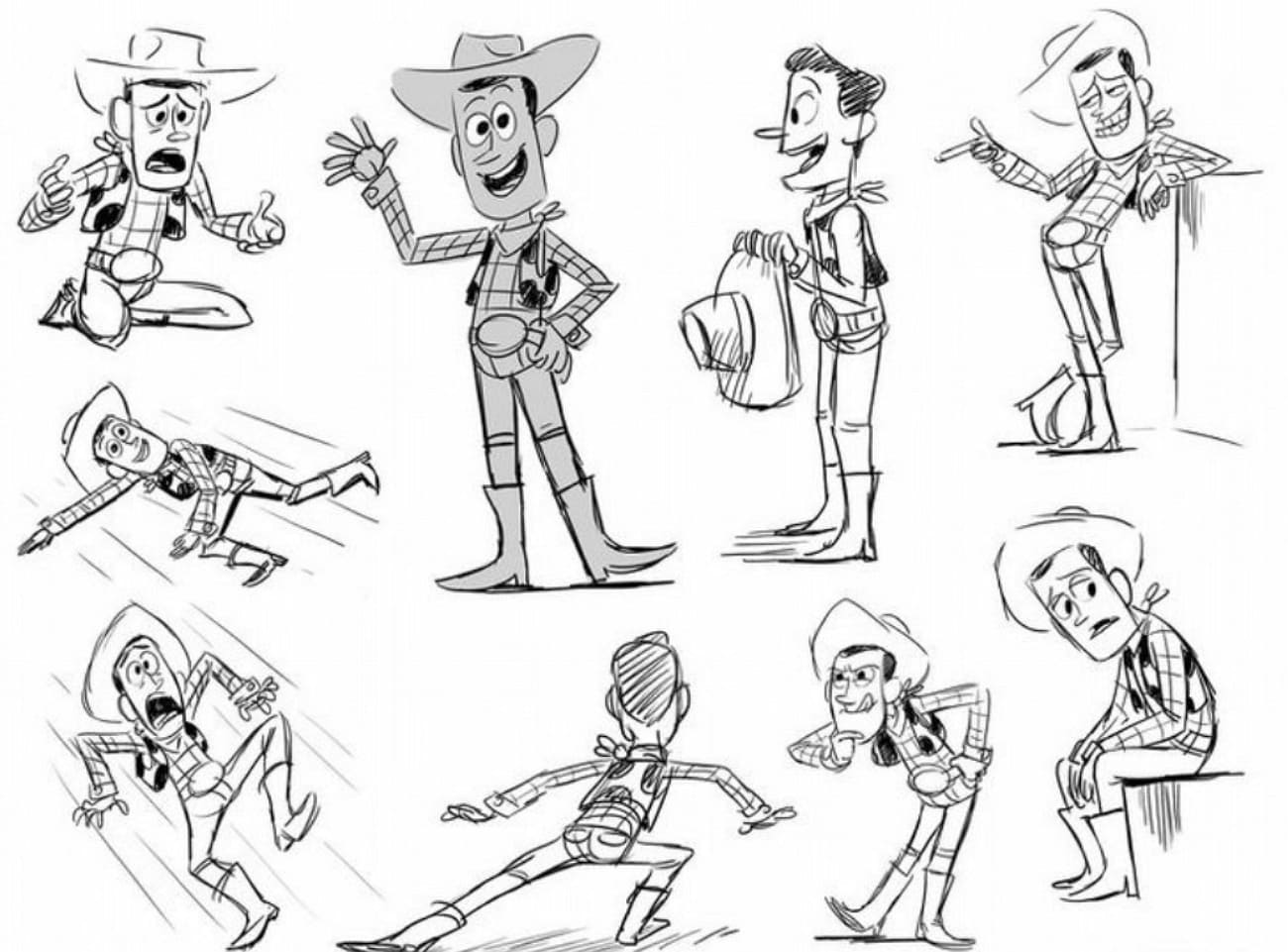
- Sketch key poses and shapes to emphasize clarity.
- Avoid unnecessary details that can obscure movement.
- Test silhouettes against simple backgrounds to ensure readability.
Key Principles:
- Action Lines: Use explicit, exaggerated poses to convey motion.
- Negative Space: Separate limbs from the torso to avoid silhouettes appearing as solid “blobs.” Test silhouettes against simple backgrounds to ensure clarity and readability.
Production: 2D or 3D Execution
- 2D Digital Cutout: You make digital “puppets” with joints as pivot points. The workflow works like paper puppets but uses “bones” to move them.
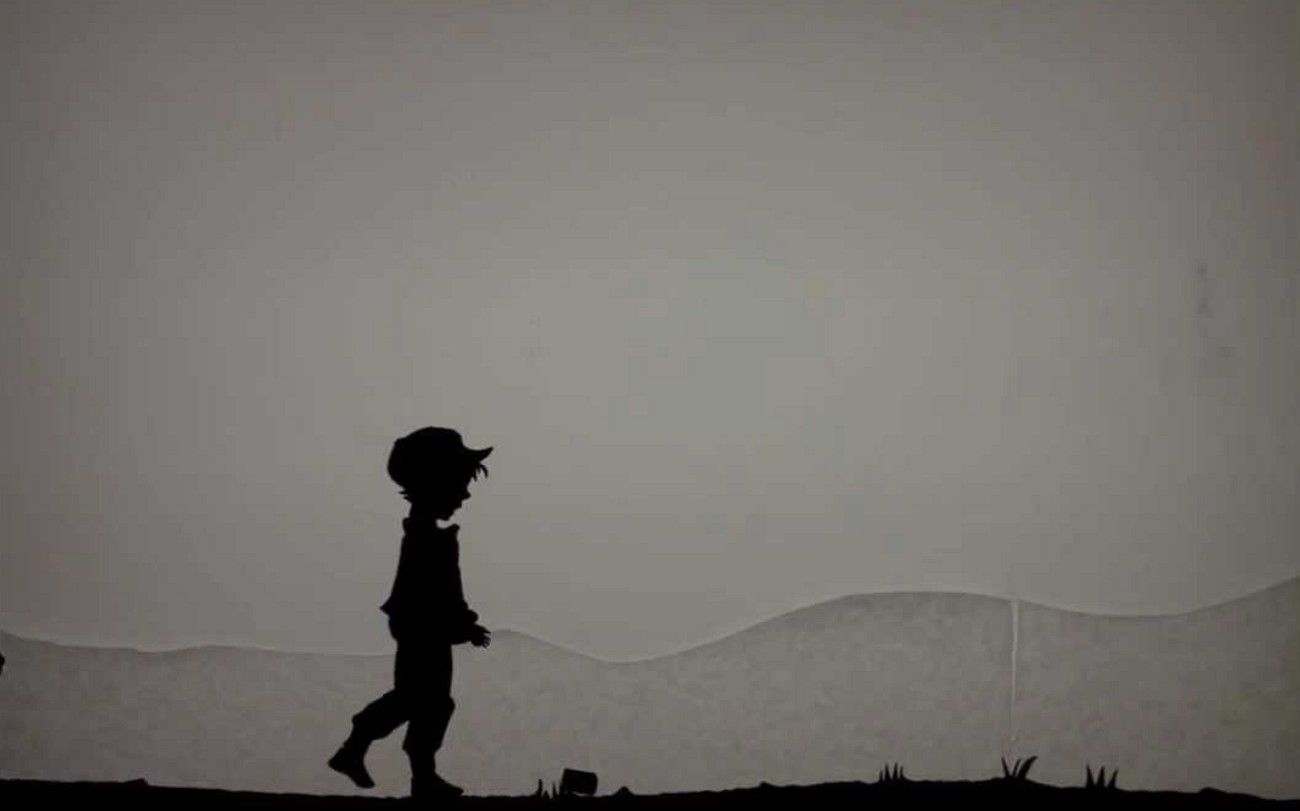
- 3D Silhouette: You build characters in 3D and make them fully black (no light or shadows). This lets you move the camera in 3D while keeping the silhouette look the same.
Technical Setup: The ‘High-Contrast” Environment
To achieve the look, you need a specific lighting and shading setup:
- Backlighting: In a 3D environment, place an ample “Area Light” or an “Emission Surface” directly behind the characters.
- Alpha Mattes: Use “Mattes” to isolate the character from the background, ensuring the black is 100% solid without any color spill.
Rendering & Computational Support
In professional production workflows, silhouette animation is often combined with compositing, lighting layers, or high-resolution output, especially when used in film, broadcast, or large-scale digital projects. While the visual style itself is minimal, the final rendering and export process can still become time-consuming when dealing with complex scenes, layered effects, or multiple iterations.
In these cases, studios commonly rely on render farm to handle batch rendering and reduce turnaround time. For example, cloud-based services like Fox Renderfarm can take over time-consuming rendering jobs, so artists don’t have to wait on local machines and can iterate on shots, timing, and composition in parallel.
- Provides scalable, cloud-based rendering.
- Handles complex lighting, particles, and 3D effects efficiently.
- Saves time and ensures consistent output quality.
Post-Production & Final Touches
- Composite characters with backgrounds and effects (motion blur, fog, subtle glow).
- Add sound effects or minimal color accents, as needed, to emphasize key movements.
- Adjust timing and pacing to make the action readable and visually appealing.
Part 5. Silhouette Animation vs. Other Animation Styles
While silhouette animation or anime silhouettes is a type of other styles, it is defined by one clear rule: remove all inside details and focus only on the “shape.”
|
Comparison Aspect |
Silhouette Animation |
Shadow Animation |
Cut-Out Animation |
Traditional 2D Animation |
|
Basic Look |
Solid black shapes on a contrasting background; no internal facial or surface detail |
Projected shadows of objects; soft, deformable |
Flat pieces of paper or digital images with visible textures and colors |
Fully drawn frames with outlines, shading, and color |
|
Core Technique |
Backlit physical cut-outs or digital silhouette layers focusing on outline clarity and negative space balance |
Physical puppets or objects placed between the light and the screen |
Stop-motion or rigged digital puppets |
Frame-by-frame drawing, traditional or digital |
|
Focus of Appeal |
Readable poses, stylized mood |
Atmospheric, theatrical, live shadow feel |
Graphic, puppet-like style; reusable parts |
Fluid motion, detailed acting, expressive |
|
Advantages |
Distinctive visual staging with simplified rendering requirements |
Performable live; simple materials |
Fewer drawings; budget-friendly; efficient |
Maximum flexibility for acting, camera moves, and expressions |
|
Limitations |
Hard to show facial expressions; relies on pose and timing |
Less precise; depends on physical setup |
Limited depth and rotation capability; motion can appear stiff |
Labor-intensive; high production time and cost |
Key Technical Distinctions
- Silhouette Animation: Best for strong graphic style and readability; relies on explicit poses and contrast.
- Shadow Animation: Creates a live, theatrical feel using real shadows; simple but less precise.
- Cut-Out Animation: Efficient and budget-friendly; allows reuse of parts but limited depth.
- Traditional 2D Animation: Most expressive and flexible; high detail and fluid motion, but time-consuming.
Part 6. Common Applications and Use Cases of Silhouette Animation
As silhouette animation removes details like faces and textures, it helps focus the audience on emotion, movement, and main themes. Here are the most common applications of silhouette animation in modern media:
1. Storytelling & Narrative Film
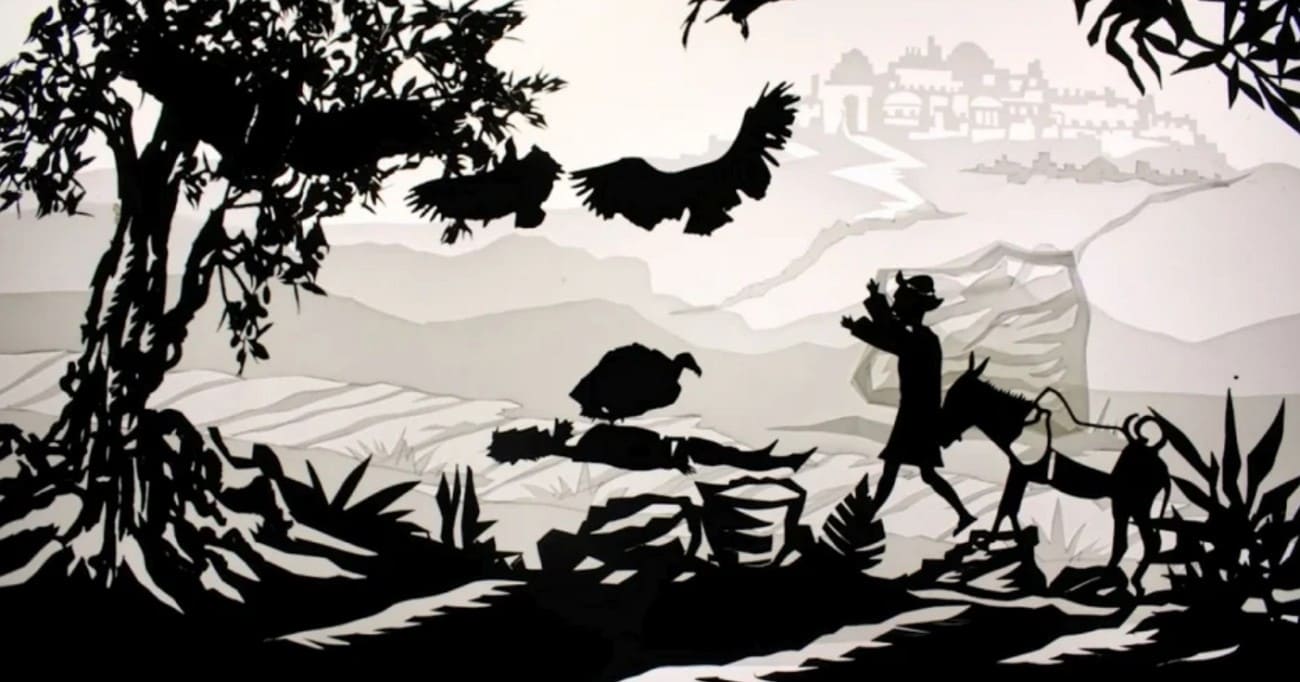
- Folk Tales & Fables: This style aligns with the “fairytale” aesthetic, and its simplicity matches how we imagine stories from a book.
- Flashbacks & Prologues: Filmmakers use silhouettes in film for past events. It gives a "dreamlike" or "memory" feel that differs from the main story (e.g., The Tale of the Three Brothers in Harry Potter).
- Horror & Mystery: Without faces, silhouettes are effective for building tension, concealing a villain, or creating a sense of the unknown.
2. Branding & Advertising
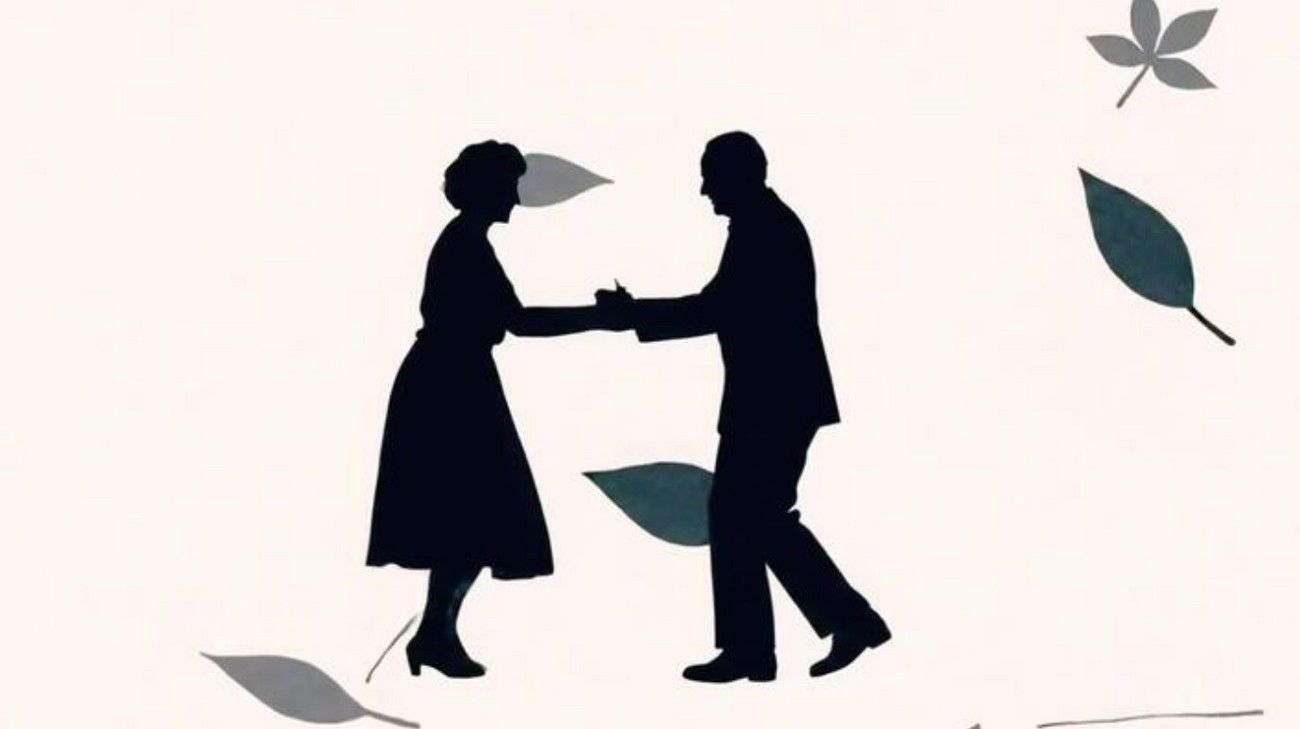
- Iconic Recognition: Brands such as Apple used this style to make the product the only “bright” element, guiding the viewer's eye.
- Universal Appeal: A silhouette has no specific features, letting any viewer relate to the character. This makes it a neutral and inclusive choice for global campaigns.
- Teaser Campaigns: Silhouette animation often shows only the outline of a character or product to generate interest without revealing the full design.
3. Education & Explainer Videos
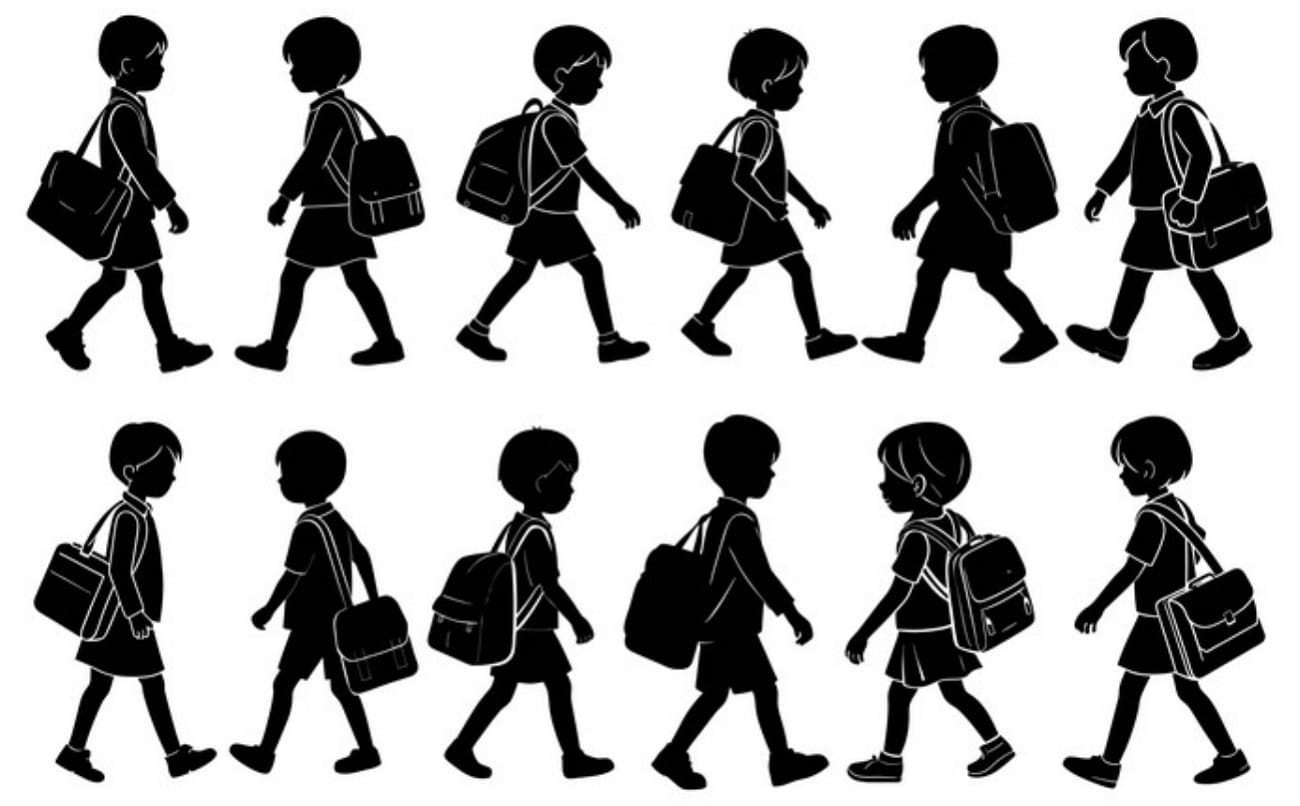
- Simplifying Complex Ideas: In technical or medical animations, silhouettes show human movement or interaction without realistic skin or clothes distracting the viewer.
- Symbolic Communication: In infographic-style animations, silhouettes act as icons. They exhibit actions such as running, building, or thinking quickly, like an advanced street sign.
4. Video Games & Interactive Media
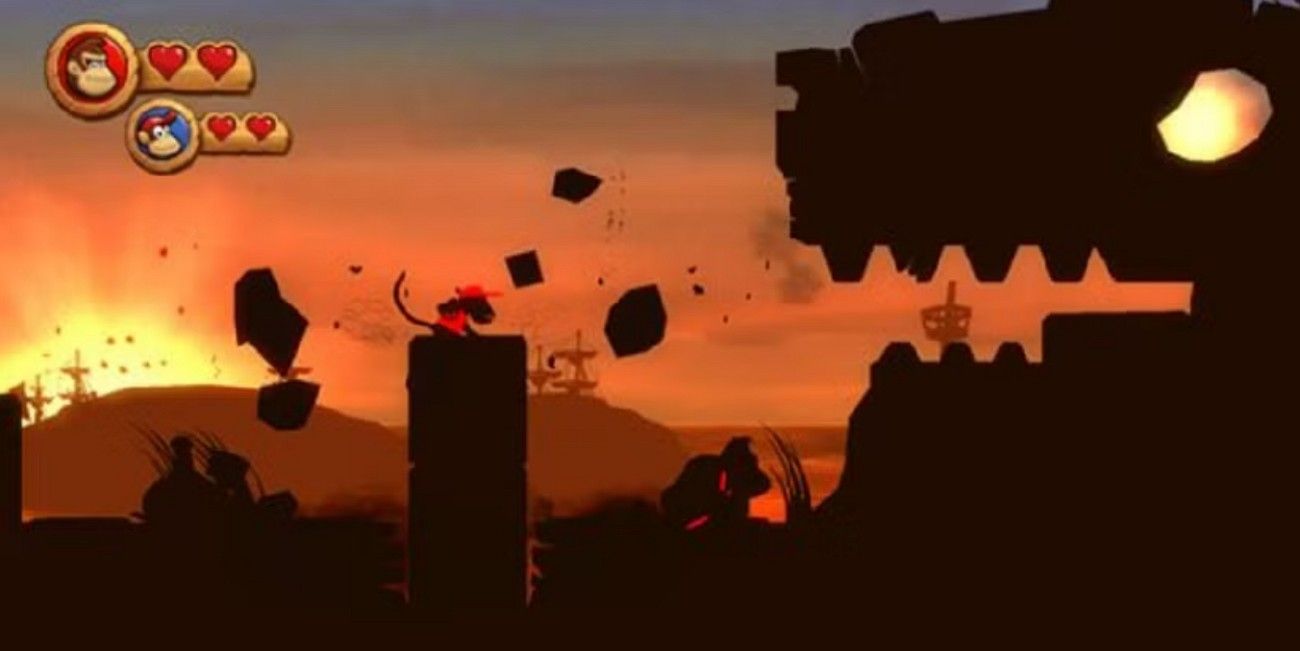
- Atmospheric Platformers: Games such as Limbo and Night Sky employ silhouettes to create a haunting, immersive world. This style lets indie developers make great visuals without a big budget for detailed 3D textures.
- Character Design Tests: Game designers use a “Silhouette Test” during production. If a character isn’t clear by its shadow, the design is usually too weak for fast-paced gameplay.
Part 7. FAQs About Silhouette Animation
1. Who is the most famous Silhouette artist?
The most renowned silhouette artist is Augustin Edouart (1789-1861), a French artist from the 19th century. He made thousands of detailed paper portraits of famous people and ordinary individuals using his unique method.
2. Is Silhouette animation 2D or 3D?
Silhouette animation is 2D, using flat figures moved frame by frame to show motion. It creates stories with shadows and shapes, not depth, perspective, or three-dimensional space.
3. What are some famous examples of silhouette animation?
Famous examples of silhouette animation include Lotte Reiniger's The Adventures of Prince Achmed, the oldest surviving feature. Modern examples include the game Limbo, Harry Potter and the Deathly Hallows Part 1 segment, and Michel Ocelot's Princes et Princesses.
Conclusion
To sum up, Silhouette animation tells stories using shapes and shadows, and focuses on gesture, motion, and emotion rather than detail. From ancient shadow puppets to Lotte Reiniger's pioneering films, this animation style has evolved into modern digital vector methods, as this guide has explained. So, artists can create clear, expressive visuals efficiently.
In practical production, using cloud rendering resources such as Fox Renderfarm can help shorten rendering time and keep the creative process moving, especially when projects scale beyond what local hardware can comfortably handle.