 Blender
 Cinema 4D
 Arnold
 3ds Max
 Houdini
 V-Ray
V-Ray Maya
Maya Unreal Engine
 Nuke
NukeHow Does a Render Farm Work?

Rendering is a very important part of 3D production. This step will generate the final image including information such as models, scenes, textures, effects, and lights.
Rendering in film and television special effects is computationally intensive and requires a lot of server computing, especially for animated film production, where rendering time is almost a big challenge. So for the producer, render farm is a good choice. Cloud rendering is based on render farms that are more convenient and efficient for rendering.
So how does a render farm work and why choose it?
The render farm is also called the distributed parallel cluster computing system. It refers to the calculation method of a supercomputer built with an existing CPU /GPU, Ethernet, and operating system. The render farm is made up of thousands of servers.
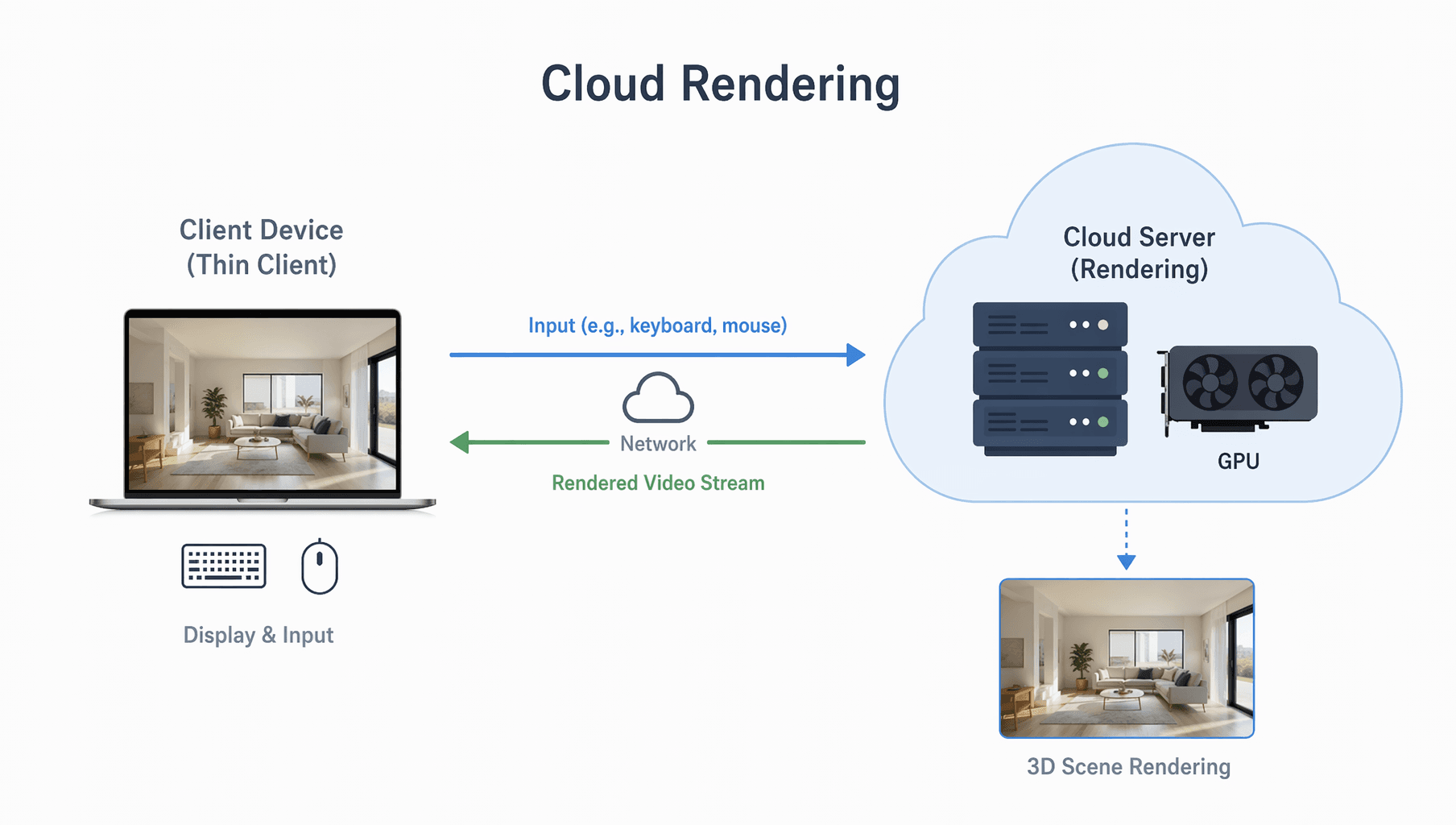
Cloud rendering is an upgrade on the render farm. We can upload the material to the cloud and use the cloud render farm for calculations remotely. And the server will distribute the files to multiple servers and render them according to the uploader's choice.
For example a 10-second special effect lens, 10 hours for a single machine rendering, then if you use 10 machines to render, then the rendering time becomes 1/10.
Cloud rendering has the following advantages:
- No geographical restrictions, wider market scope, lower idle rate, and cost savings.
- Render farm with better server configuration to ensure user safety and efficiency.
- User can control the rendering progress anytime, anywhere.
The emergence of cloud rendering has almost swept the entire production industry, which is the trend of the times. It not only brought great changes to the production industry but also provided strong support. For the fast-paced modern, it is more convenient and convenient, which is why more and more people choose the cloud render farm.


 Ryan Thompson